Update (16/06/2026): We have plenty of stock of all our products, find us also in and    How to get a quotation

User Guide: RTK Portable 2

Overview

Universal and compact RTK receiver for your centimeter tracking tasks. Fits any type of project, just add your preferred GPS antenna.

Package

The package includes:

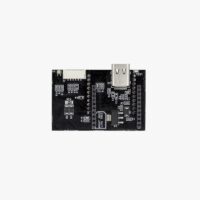
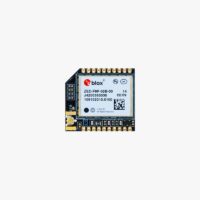
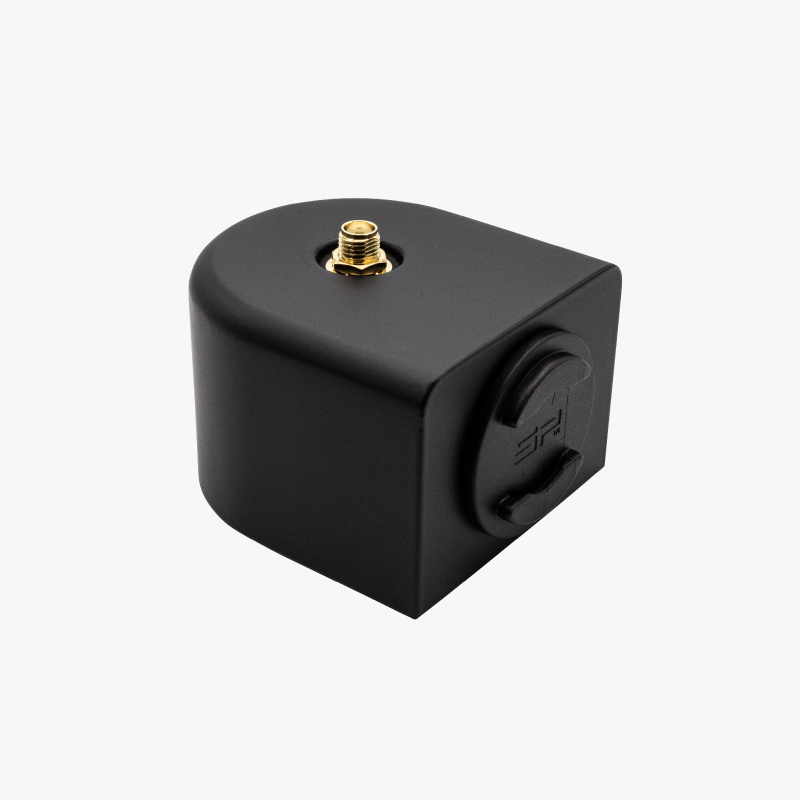
  • RTK Receiver with u-blox ZED-F9P and Bluetooth + Bluetooth Low Energy connectivity 
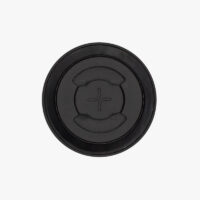
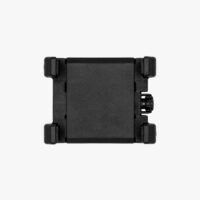
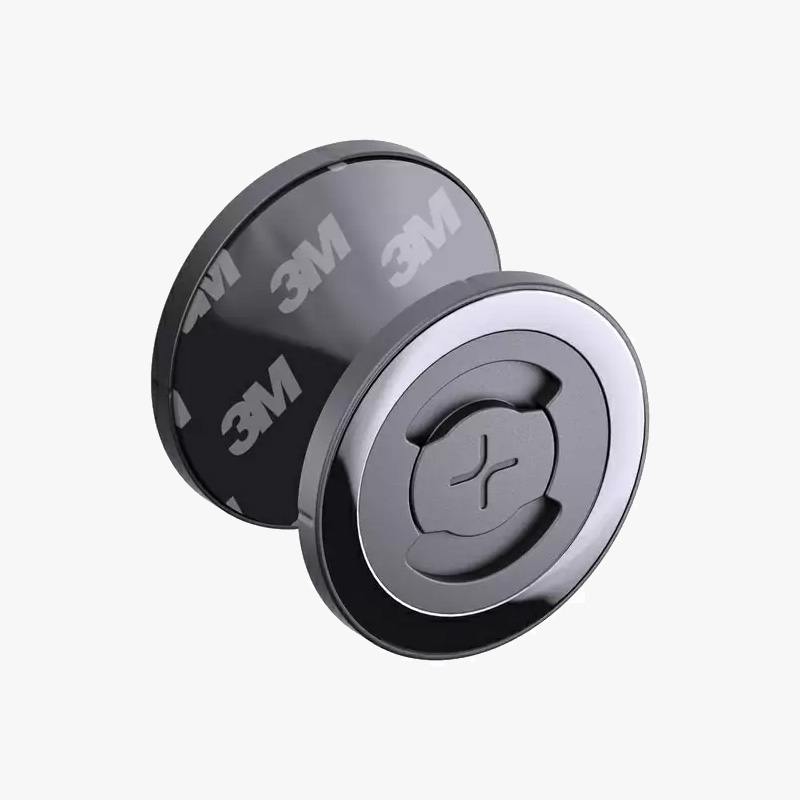
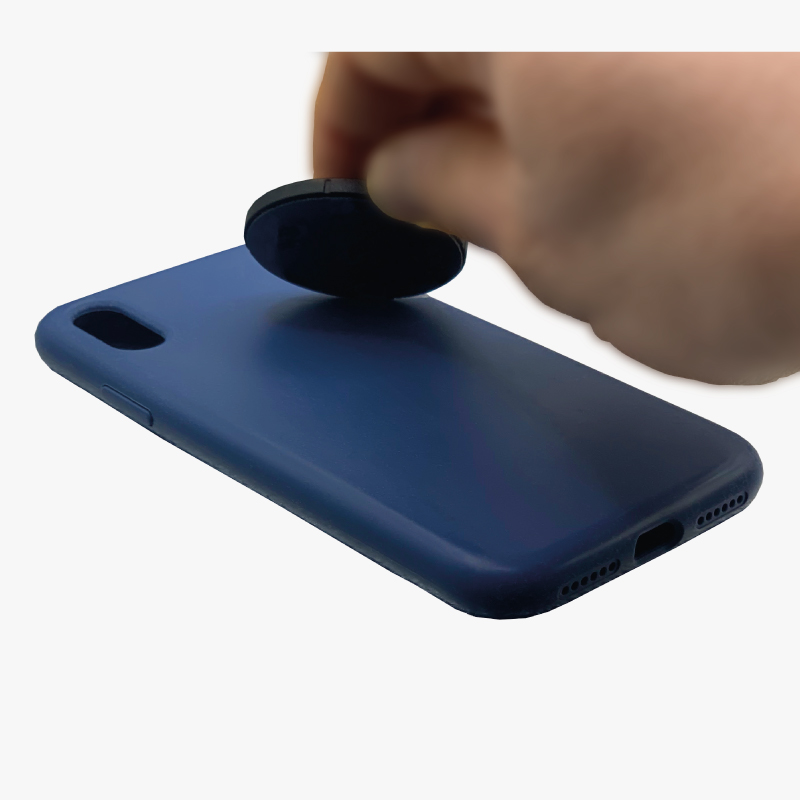
  • Adhesive dock: Useful to attach the receiver to a phone case or any other flat surface.
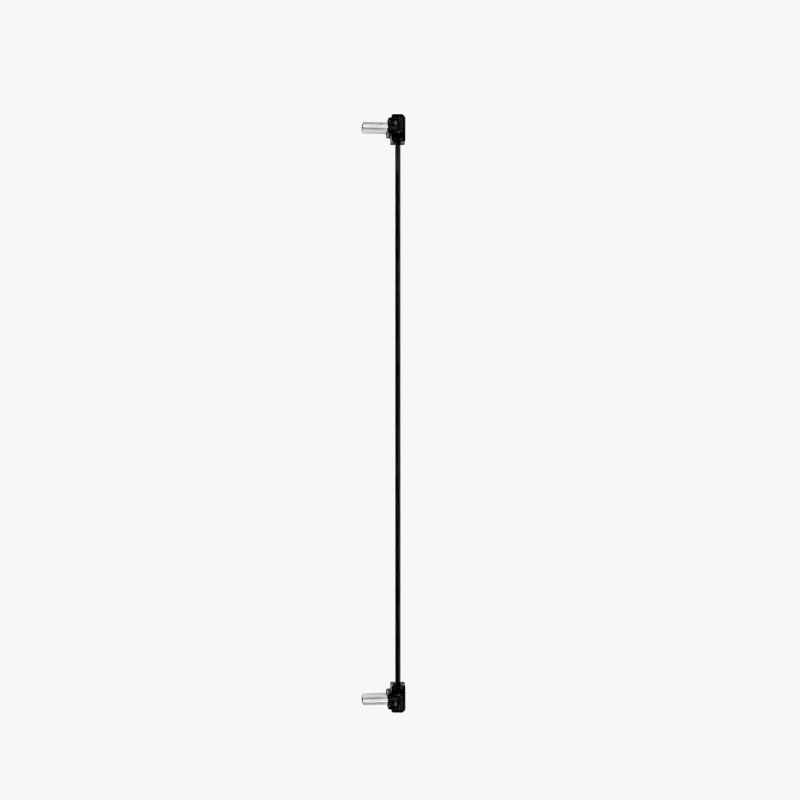
  • Double USB-C right angle cable (15 cm): Used to connect the receiver to your smartphone.
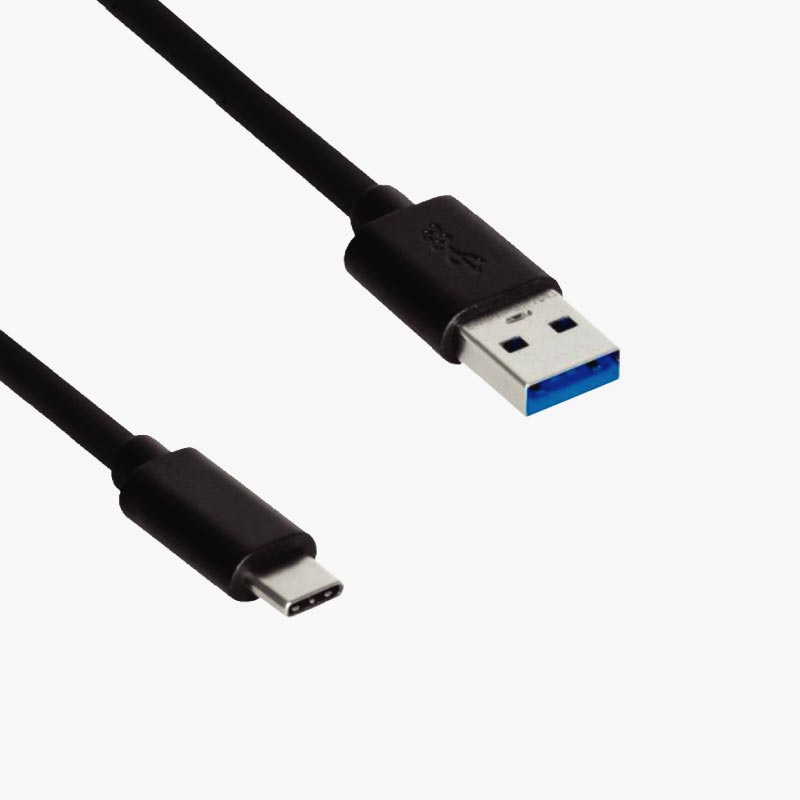
  • USB-A to USB-C cable (50 cm): Used to connect the receiver to your PC/laptop.
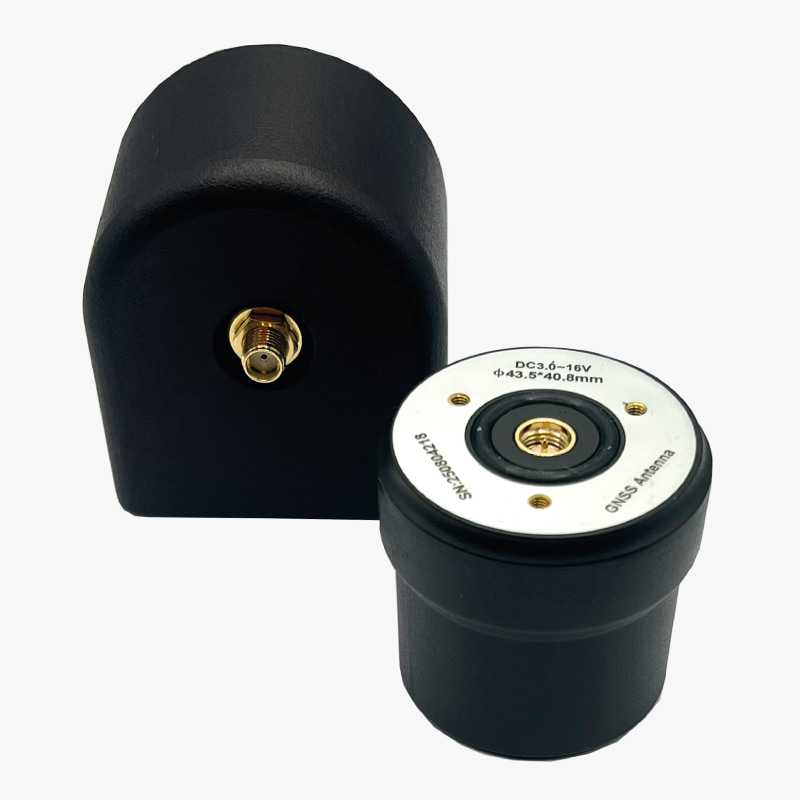
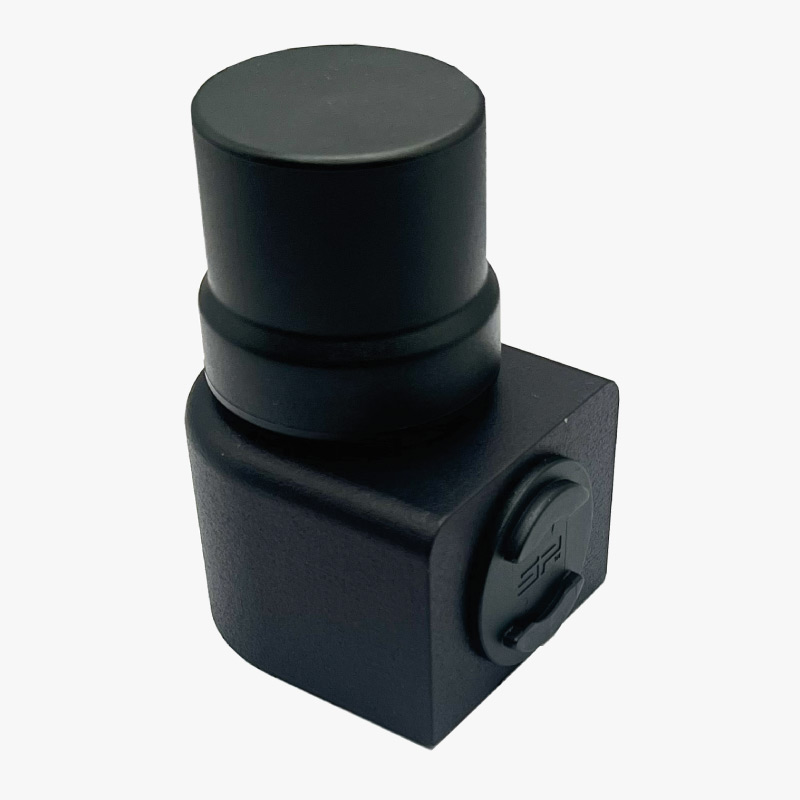
Portable 2 rtk gnss device
RTK receiver with ZED-F9P
Self adhesive docking station
perspective portable2 dual angle USB-C OTG 15cm
Double USB-C right angle cable (15 cm)
USB to type C USB
USB-A to USB-C cable (50 cm)

Unboxing

The RTK Portable 2 can be used in different ways:

  • Standalone connected to a PC using the USB cable included in the package.
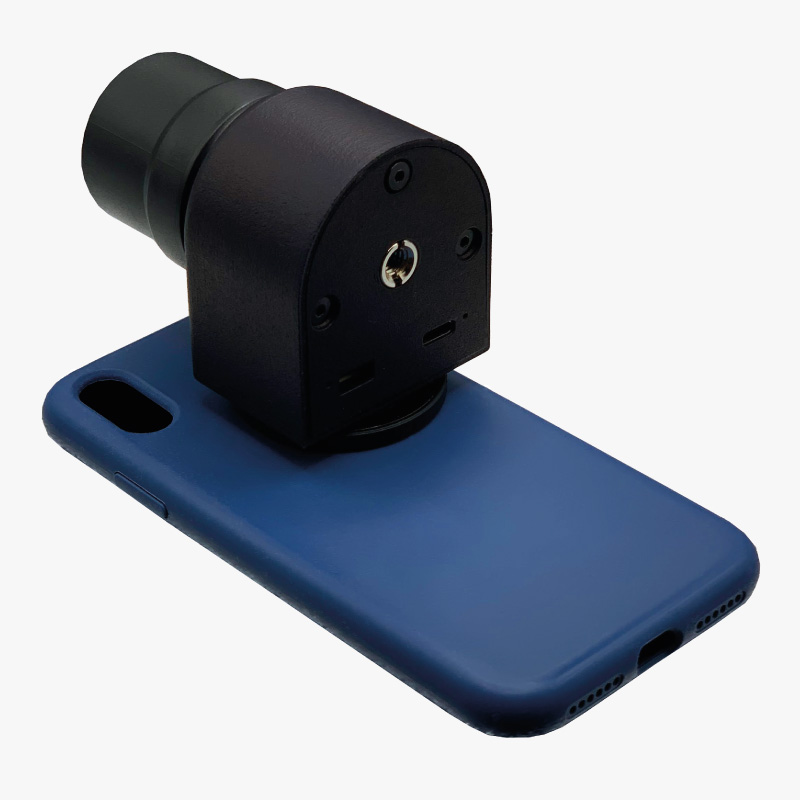
  • By attaching it to your phone case or other flat surface (e.g. car’s cabin, drone top plate, ground robot platform) by using the included adhesive dock to it.
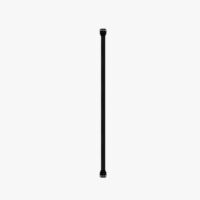
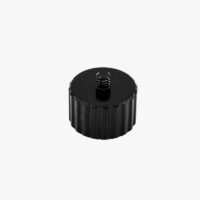
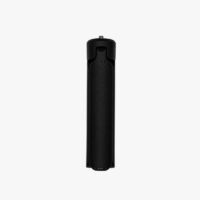
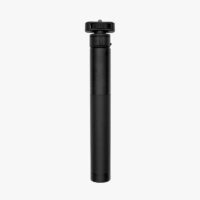
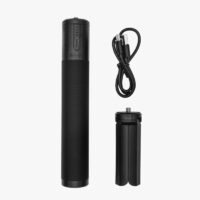
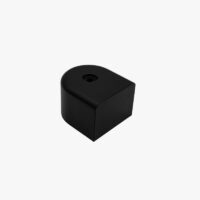
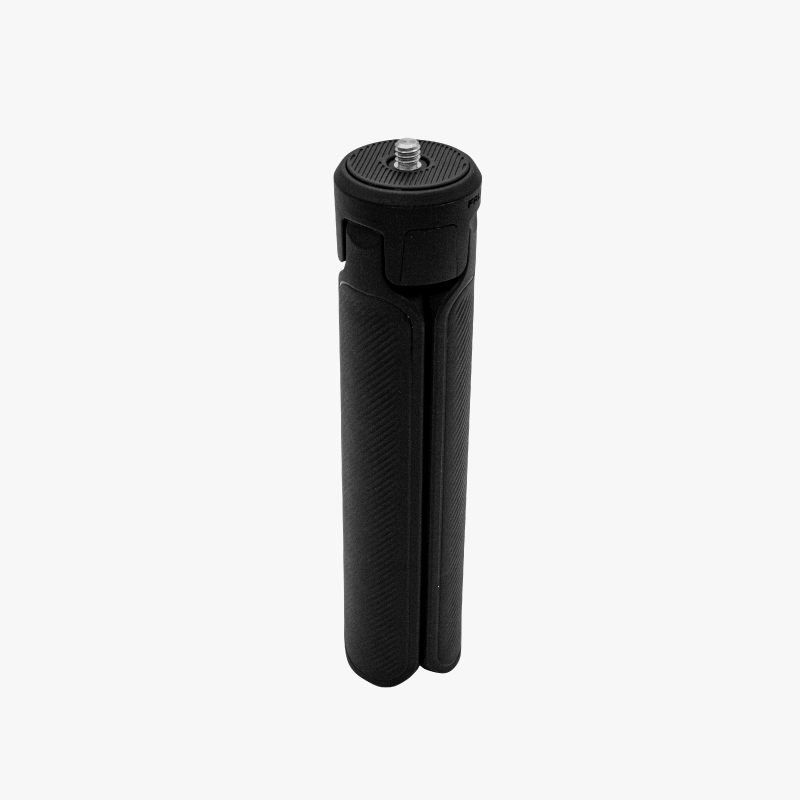
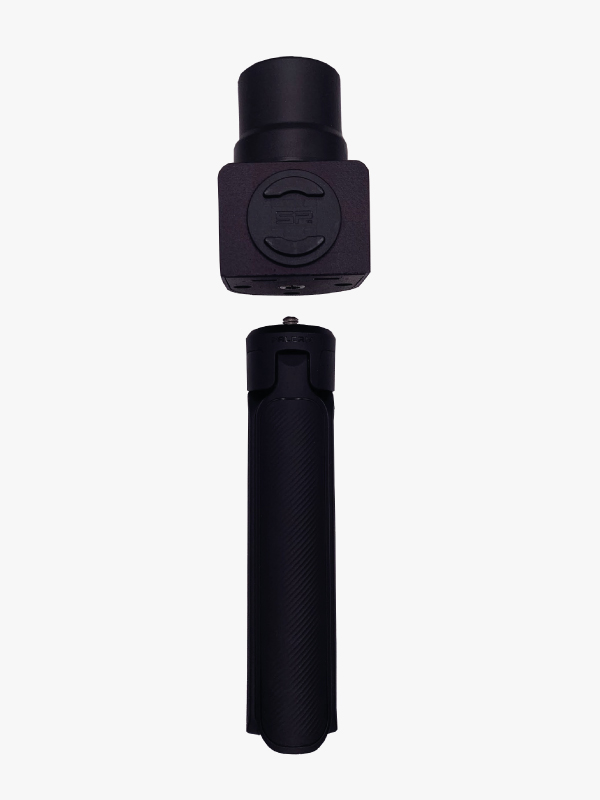
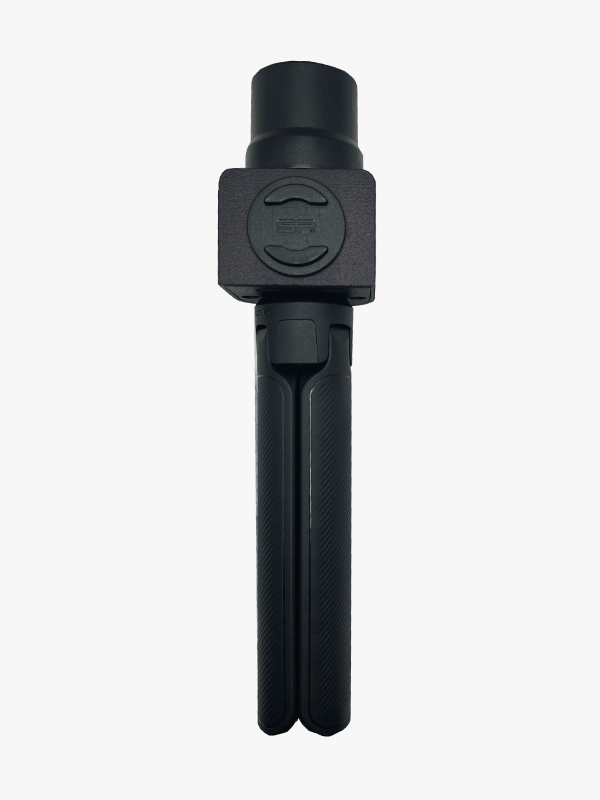
  • By screwing the receiver to a handgrip or surveying pole (requires the Portable 2 to survey thread adapter).

Connect antenna

The RTK Portable 2 can be connected to any GNSS antenna, as long as it includes a SMA female connector for connection. Cable antennas are useful if you want to keep the receiver indoor while the antenna is placed outdoors.

  1. Align and screw the GNSS antenna SMA connector to the RTK Portable 2 antenna connector by hand, do not use any tools as overtightening it might damage the receiver.

Power the receiver

The RTK Portable 2 receiver can be provided power from either its USB-C or Pixhawk port.

  •  USB-C power can come from a PC port, smartphone or tablet, battery power bank or wall adapter.
  • Pixhawk port uses the standard 5.2V input and JST connector.

Use standalone

  1. Set the RTK Portable 2 receiver on top of a secured surface and connect to a PC, smartphone or table USB port using the provided USB cable.

Use with a smartphone case

  1. Clean the flat surface where you want install the RTK Portable 2 receiver and set the included adhesive dock in place.
  2. To attach the RTK Portable 2, align the flat edge of the RTK Receiver case to the adhesive dock, rotate it 90 degrees until it locks in place (a bit of force might be needed to make it slide in).

Use with a handgrip

  1. Align the thread hole in the RTK Receiver with the handgrip, pole or static positioned male thread, and screw them together.
  1. Great work! With the assembly complete, your RTK Portable 2 is ready for its first survey.

Getting started

Connect your RTK receiver to a GNSS antenna and your mobile device, in an open location with good view of the sky or near a window for testing its functionality.

In order to get centimeter accurate measurements, you will need to gain credentials to an NTRIP service to get RTK corrections. If you need help finding one, check the list of RTK Correction Services in your Country which we have prepared for you.

on Android

There are numerous Android GIS applications that are compatible with ArduSimple RTK receivers, but SW Maps is our preferred one.

In this step-by-step tutorial we will explain how to connect your new RTK receiver to your Android device using SW Maps. This can be done using either the provided USB-C OTG cable or by a Bluetooth Low Energy (BLE) connection.

  • The USB-C OTG cable included in the package is the recommended method to connect to an Android device, as it powers the RTK receiver and transmits data at the same time, and the connection is more stable.
  • There is an option to use a Bluetooth Low Energy connection instead, but then the receiver would need to be powered by an external power supply. In this case, we recommend ordering the handgrip with built-in battery, which will not only power your kit reliably but also give you a much more ergonomic setup compared to carrying an external power bank.
  1. Install SW Maps app on your Android device from the Google Play Store.
  2. Open the app and grant permissions (first time only).

Connect via a USB-C OTG cable (recommended)

  1. Connect RTK receiver with your Android device with USB OTG cable.
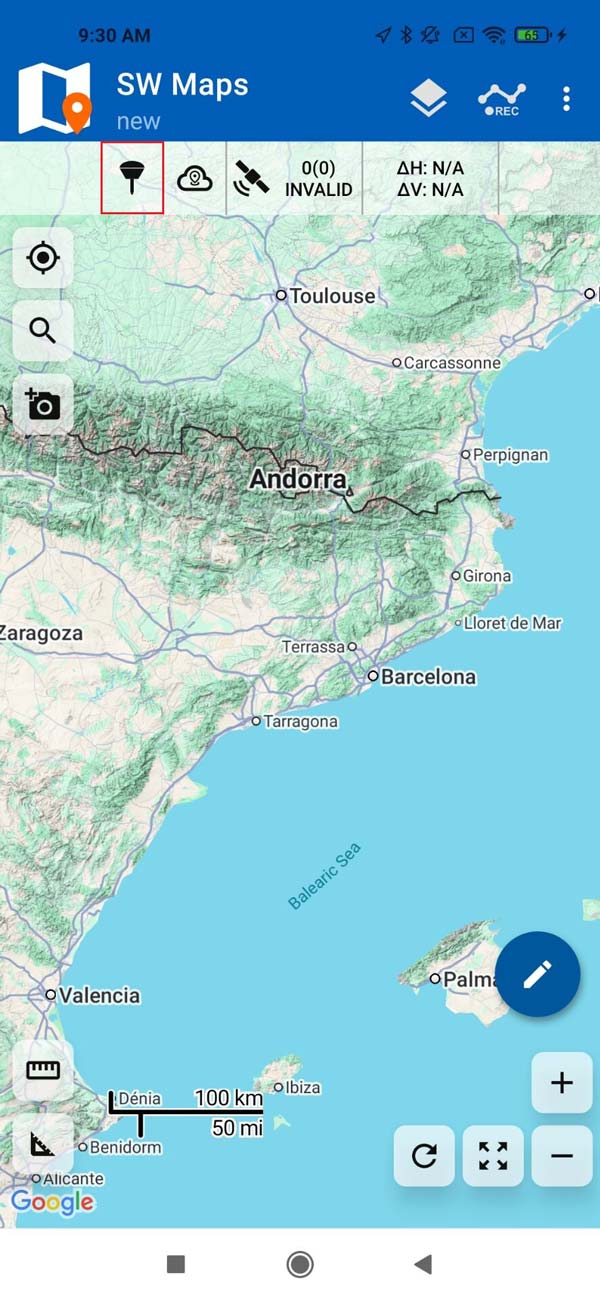
  2. Click on the antenna icon to show the connection menu.
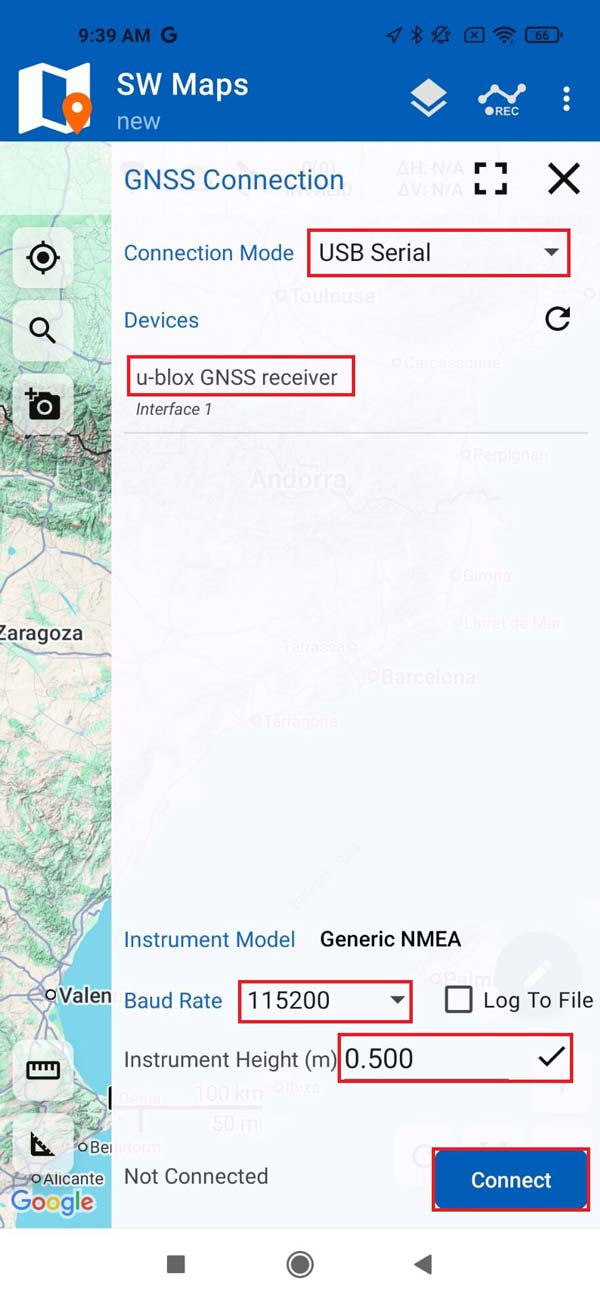
  1. Choose USB Serial as Connection Mode. Under Devices, tap u-blox GNSS receiver and set Baud Rate to 115200 bps.
  2. Instrument Height refers to the expected receiver elevation from the ground.
    • If you are using the RTK receiver attached to a handheld device, set the instrument height to 0 since elevation measurements will not be precise due to natural hand movement.
    • If you are using the kit with a surveying pole, set the instrument height to the exact height of the pole.
  1. Press CONNECT.
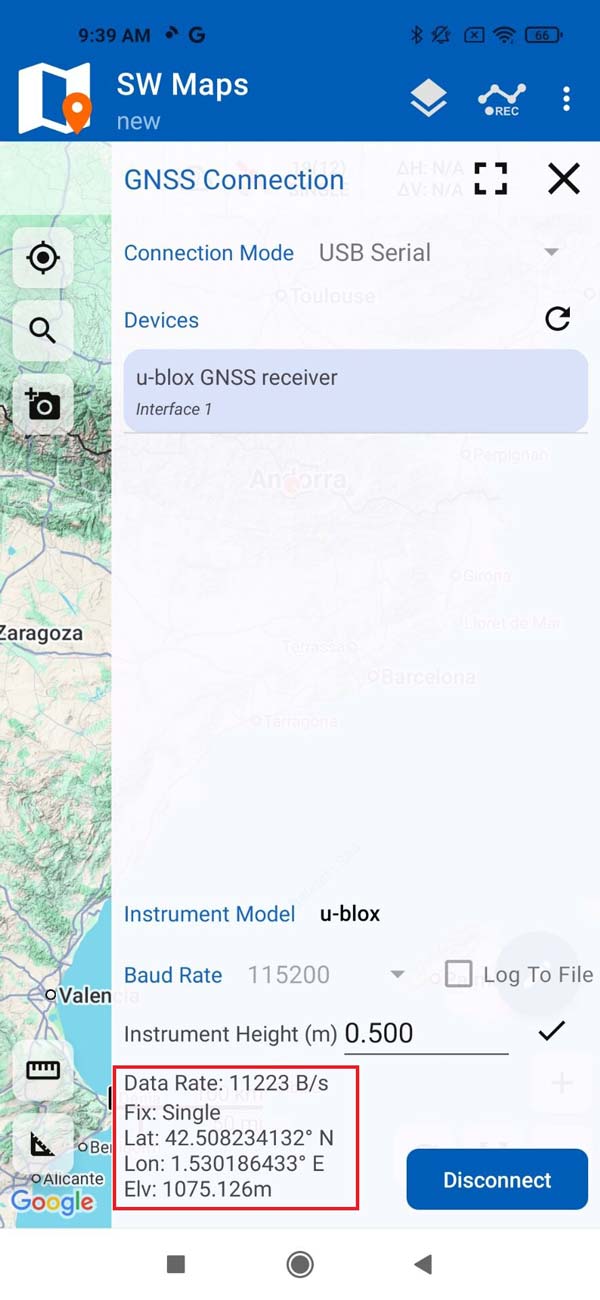
  1. You should now see a GNSS receiver successful connection and data transfer.

Connect via Bluetooth LE

  1. Power your RTK receiver by connecting USB cable to the power supply (smartphone/tablet/compatible powerbank). If you get any popup message to connect the USB device with any app, you can ignore it.
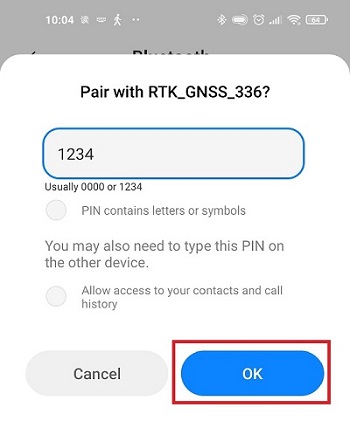
  2. Enable your smartphone/tablet Bluetooth, and pair it with your RTK receiver. When pairing your device, notice that it will appear as BT+BLE_Bridge _****. The password is always 1234.
    The pairing only needs to be done once.
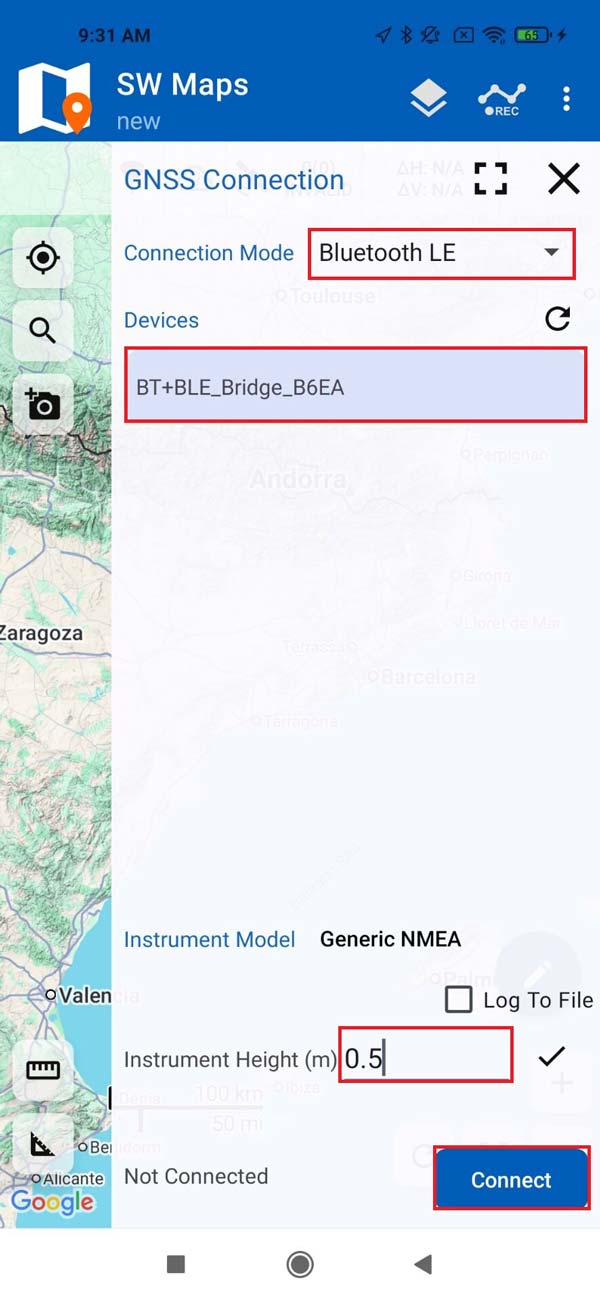
  1. Tap the antenna icon to show the GNSS Connection menu.
  1. Set Connection Mode to Bluetooth LE, and under Devices select the one you paired in step 4. Instrument Height refers to the expected receiver elevation from the ground.
  • If you are using the RTK receiver attached to a handheld device, set the instrument height to 0 since elevation measurements will not be precise due to natural hand movement.
  • If you are using the kit with a surveying pole, set the instrument height to the exact height of the pole.
  1. Press CONNECT.
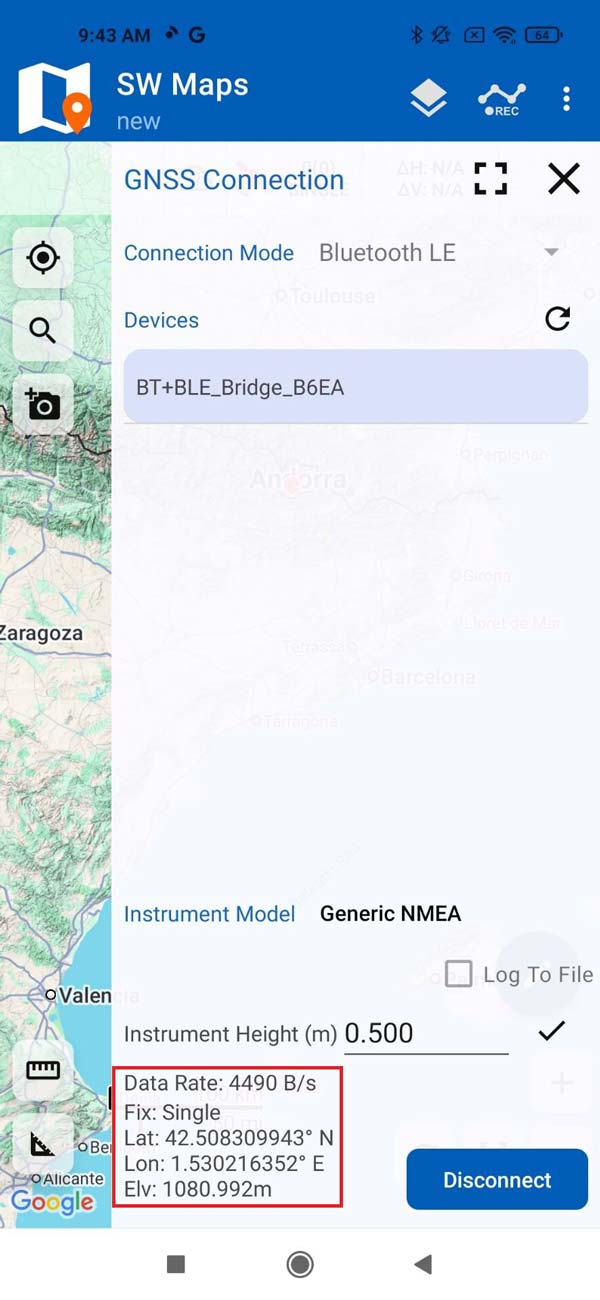
  1. You should now see a GNSS receiver successful connection and data transfer.
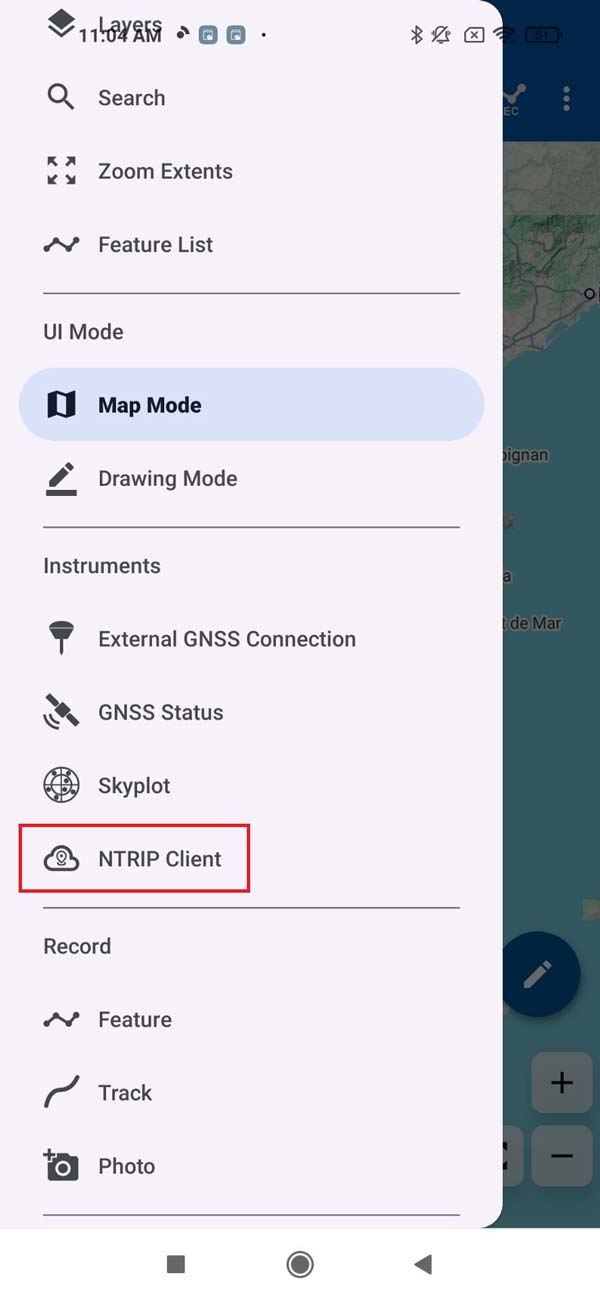
  1. Go back to SW Maps main menu and select NTRIP Client.
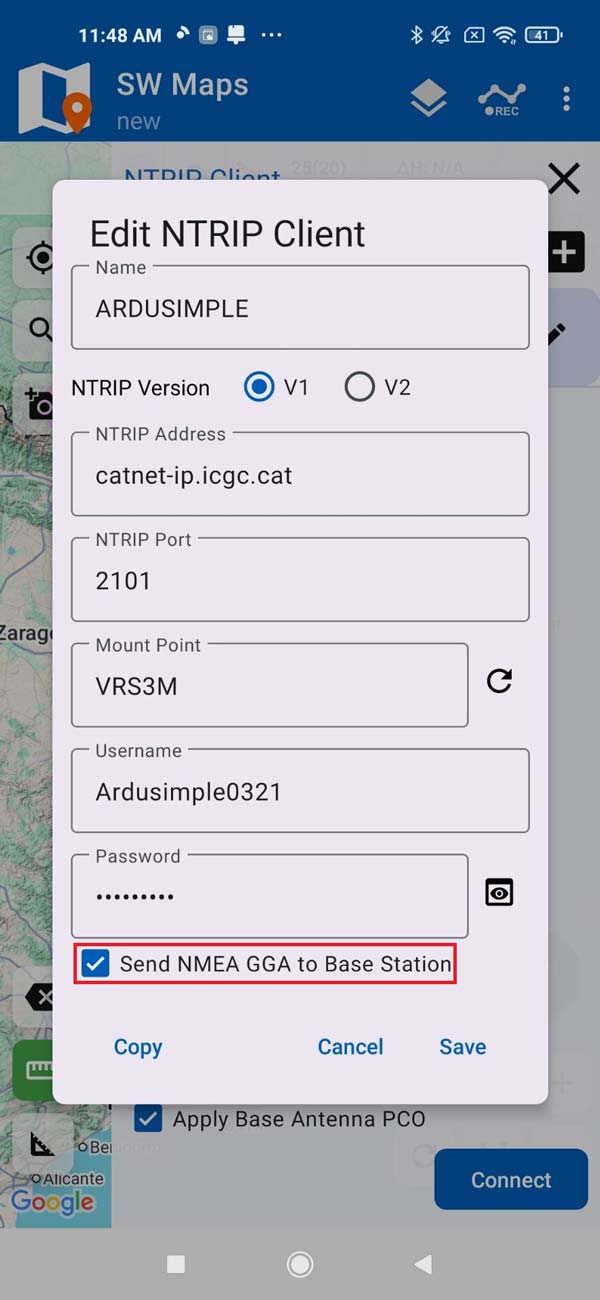
    1. Enter your NTRIP Client credentials:
      • Name: A custom name you choose to save the NTRIP connection account.
      • NTRIP Caster Address and NTRIP Port: This information should be provided to you by the NTRIP service when you set up your account.
      • Mount Point: Choose the closest mount point to the area you are going to operate from.
      • User Name and Password: This should be provided to you when you set up your account.
      • We recommend enabling Send NMEA GGA to Base Station option to send your location to the NTRIP caster.
    2. Press SAVE.
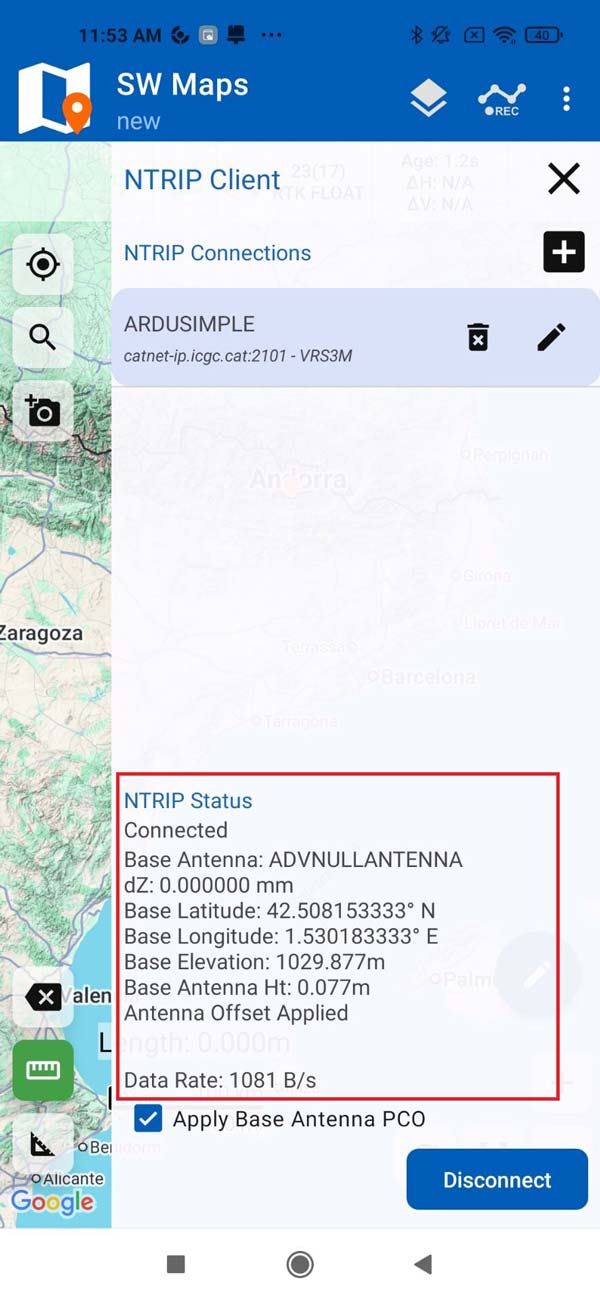
  1. Press CONNECT. At NTRIP Status you will see a successful connection and data streaming to your device.
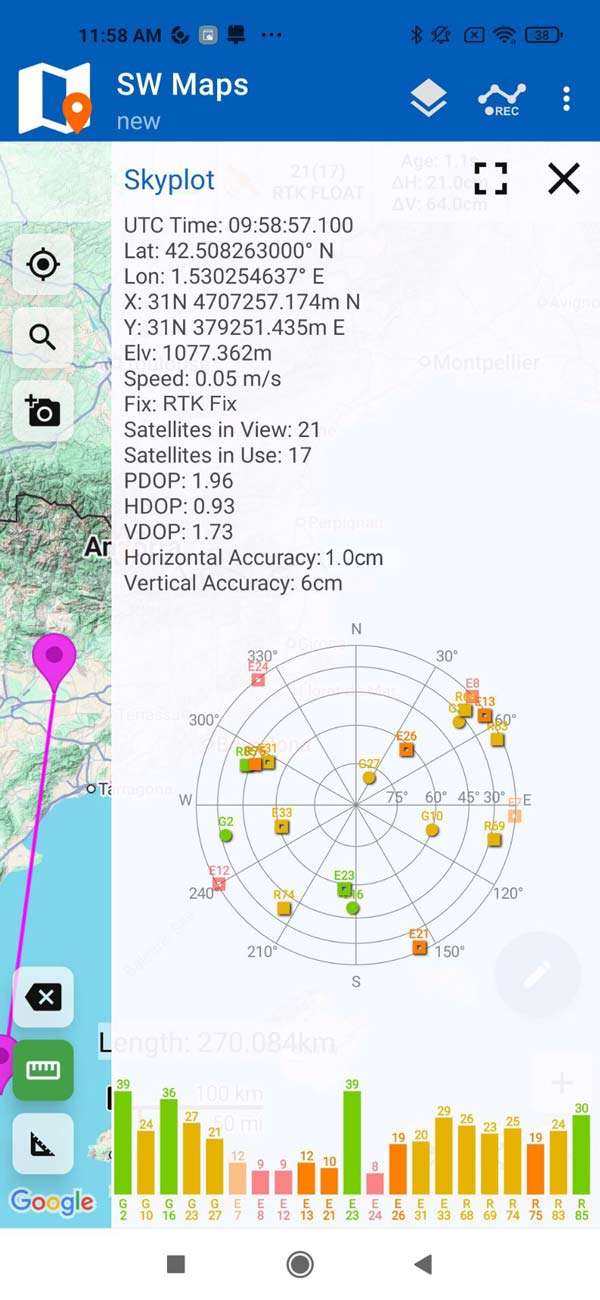
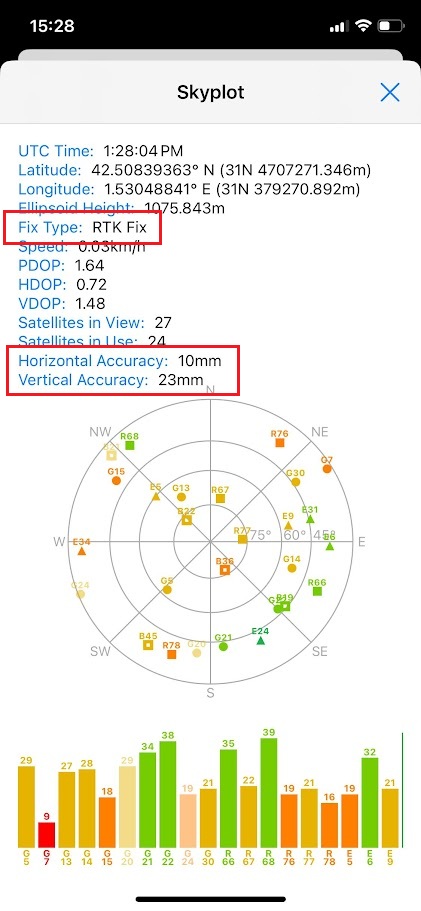
  1. Go back to SW Maps main menu and select Skyplot. You should now see the available satellites at your position, Fix set to either RTK Float or RTK Fix, and centimeter level Horizontal and Vertical Accuracy.
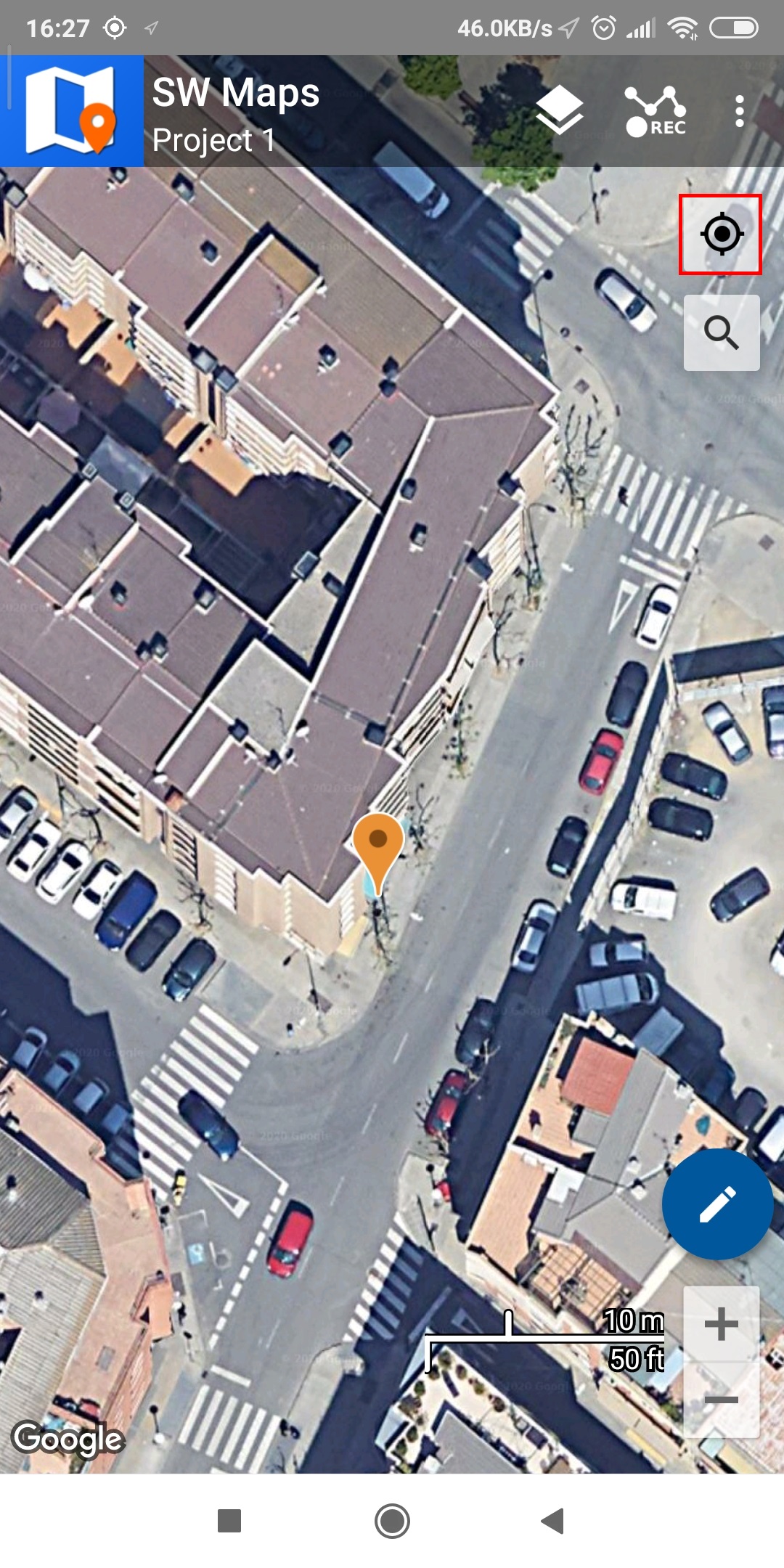
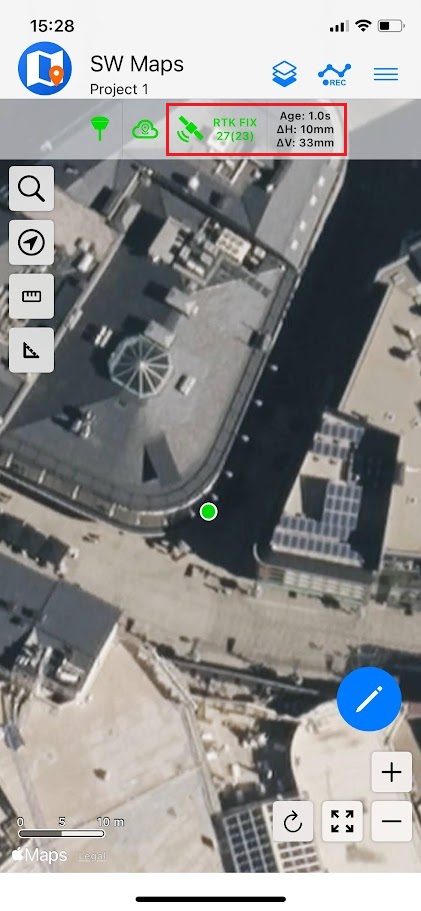
  1. To re-center the map on your location, click the icon highlighted in red. The pointer indicating your location will dynamically switch its color based on the receiver Fix status:
    • Orange when the status is RTK Float with slightly less accuracy.
    • Green when the status is RTK Fix with full centimeter accuracy.

For further information on how to use this application please follow the SW Maps user guide.

The kit supports a wide range of third-party integrations. Use the table below to learn which apps you can use with your kit and how to do that.
If you cannot find your preferred app in the list, please contact us and we will test it for you.

App
Android
SurvX
supported
Surpad
Lefebure
supported
SW Maps
supported
Mapit GIS
supported
Field Navigator
AgriBus Professional
supported
FieldBee
PinPoint GIS
Field Maps
supported
Google Maps
supported
QField
supported
LocusGIS
Mobile Topographer
supported
Kizeo Forms
supported
ODK Collect
supported
MicroSurvey FieldGenius
supported
Mergin Maps
Aplitop TcpGPS
PointMan
OCAD Sketch App
X-Survey
supported
Tersus GNSS NUWA
supported
Arcoda Next
supported
Arcoda 3D Photo Survey
supported
3Dsurvey SiteScan
supported
3Dsurvey RTK Videogrammetry
supported
3D geotag scanner
supported
Avenza Maps
supported
Iphigénie
supported
Agro Measure Map Pro
supported
ColDonAgro
supported
GeoSpot GNSS
supported
ArcGIS Fieldmaps
supported
Other Android apps

on iOS

The recommended app to use ArduSimple RTK receiver kits on an Apple iOS device is SW Maps using a Bluetooth Low Energy (BLE) connection.

Note:

  • If your iOS device has USB-C connector you will use USB-C OTG cable included in the package to power your RTK receiver.
  • If your iOS device has a Lightning connector it cannot be used to power the RTK kit. In this case, we recommend ordering the handgrip with built-in battery. It will not only power your kit reliably but also it will be a much more ergonomic setup compared to carrying an external power bank.
  1. Install SW Maps app on your iOS device from the Apple Store.
  2. Open the app and grant permissions (first time only).
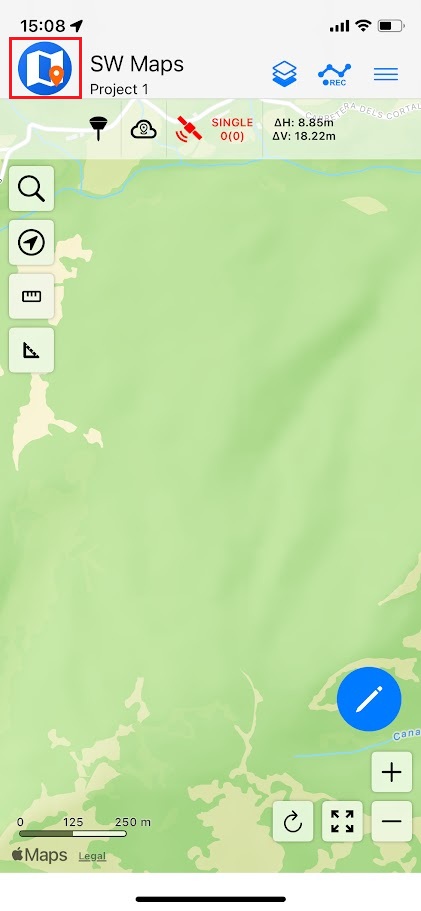
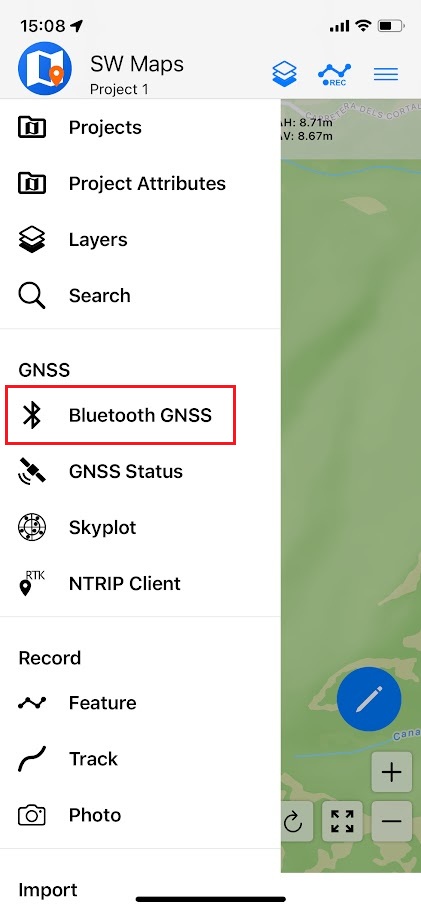
  3. Click on the SW Maps icon to show the app menu.
  1. Select Bluetooth GNSS option.
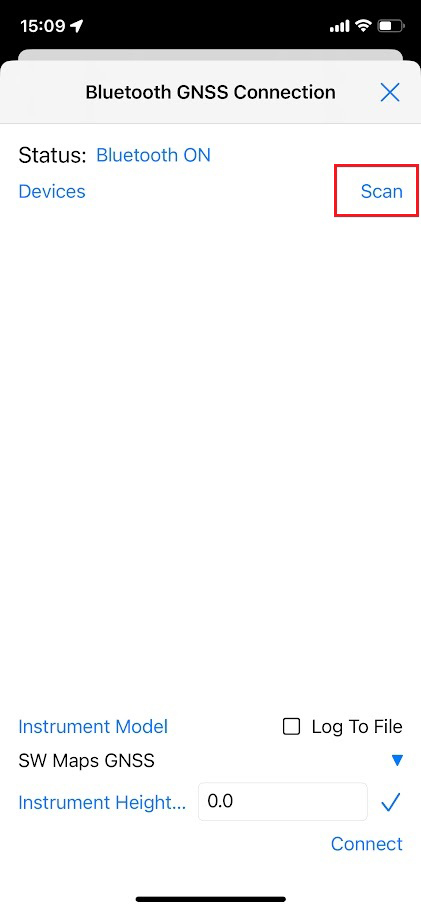
  1. Press Scan to search for Bluetooth devices.
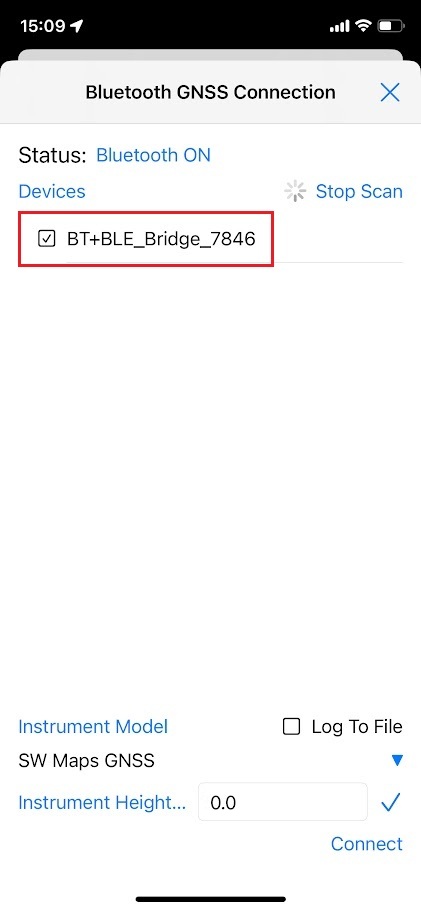
  1. BT+BLE_Bridge_XXXX device will appear if your phone is close enough to the receiver. Select its checkbox and stop scanning.
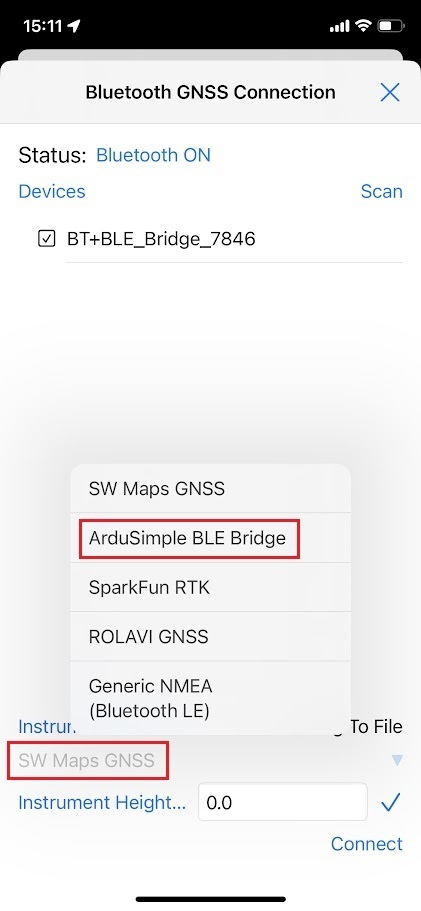
  1. From dropdown menu SW Maps GNSS select Ardusimple BLE Bridge option.
  1. Instrument Height refers to the expected receiver elevation from the ground.
    • If you are using the RTK receiver attached to a handheld device, set the instrument height to 0 since elevation measurements will not be precise due to natural hand movement.
    • If you are using the kit with a surveying pole, set the instrument height to the exact height of the pole.
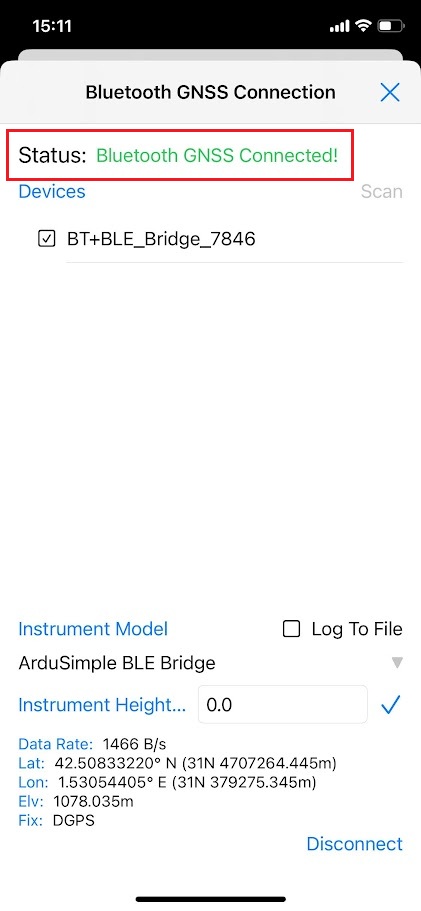
  2. Press Connect. You should see a “Bluetooth GNSS connected!” message and data streaming from the receiver.

To get centimeter accurate measurements, it is needed to connect to a NTRIP service to get RTK corrections. If you need help finding one, check the list of RTK Correction Services in your Country which we have prepared for you.

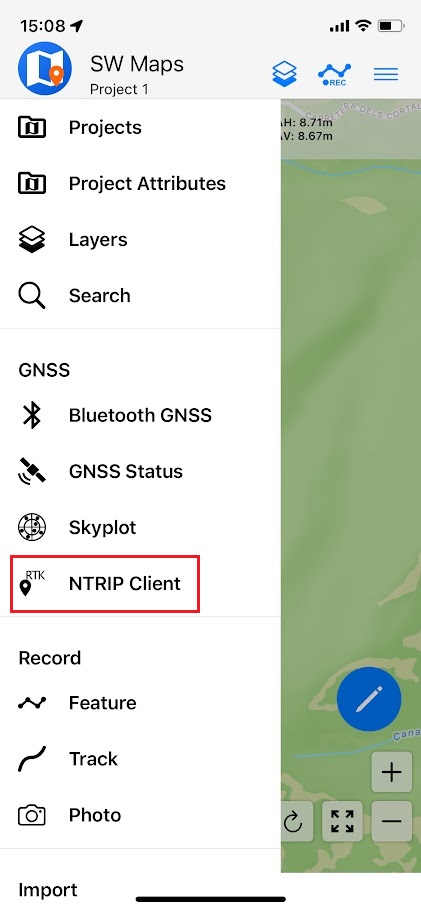
  1. Tap SW Maps menu and select the NTRIP Client option.
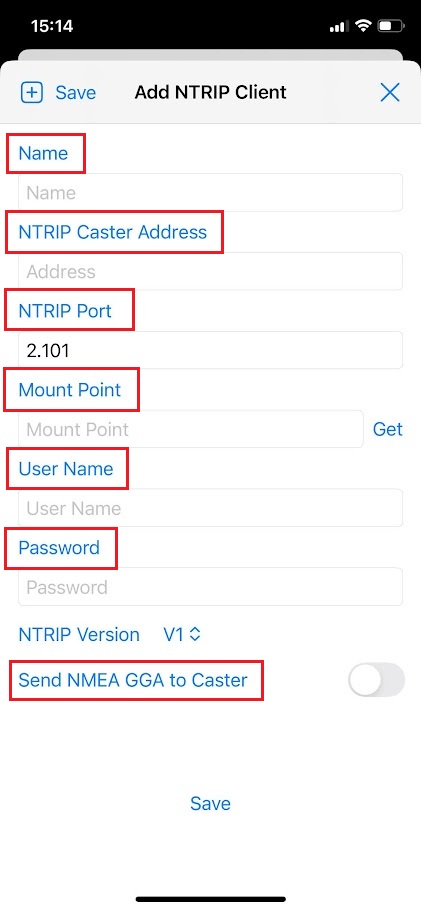
  1. Enter your NTRIP credentials:
    • Name: A custom name you choose to save the NTRIP connection account.
    • NTRIP Caster Address and NTRIP Port: This information should be provided to you by the NTRIP service when you set up your account.
    • Mount Point: Choose the closest mount point to the area you are going to operate from.
    • User Name and Password: This should be provided to you when you set up your account.
    • We recommend enabling Send NMEA GGA to Caster option to send your location to the NTRIP caster.
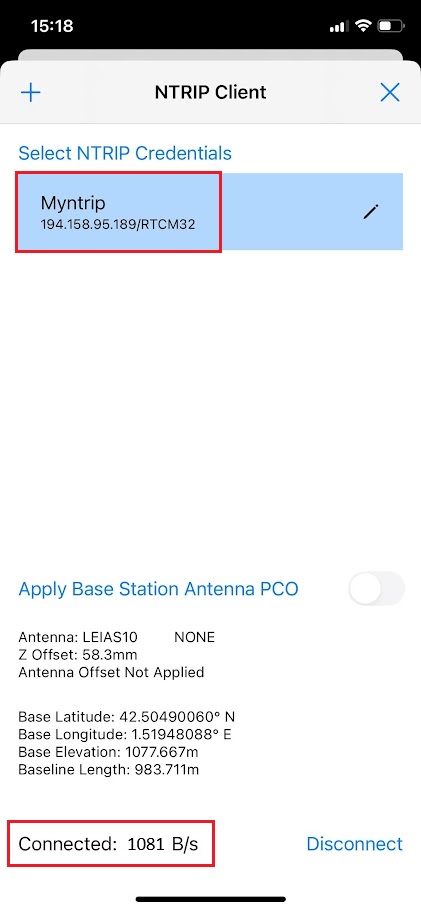
  1. Once connected, you will see the data streamed from the NTRIP service.
  1. To verify that you are getting precise position, tap SW Maps menu and select Skyplot option. You will see an RTK Fix Type, and Horizontal Accuracy and Vertical Accuracy confirming that you are now working with centimeter level accuracy GNSS positioning.
  1. To re-center the map on your location, click the arrow icon highlighted in red. The pointer indicating your location will dynamically switch its color based on the receiver Fix Type status:
    • Orange when the status is RTK Float with slightly less accuracy.
    • Green when the status is RTK Fix with full centimeter accuracy.

For further information on how to use this application please follow the SW Maps user guide.

on Microsoft Windows PC

Connect the antenna
  1. Connect the GNSS antenna to your receiver.
  2. Place the RTK receiver or just the GNSS antenna outdoors (if the antenna has a cable extension) in a place with a good view of the sky for testing functionality. Otherwise, you won’t see the satellite view and signal.
Connect to PC and u-center

U-center is an evaluation software designed for assessing, analyzing performance, and configuring u-blox GNSS positioning chips and modules. Follow our quick guide to start.

  1. Connect the receiver to your PC via the USB-C port using the provided USB cable.
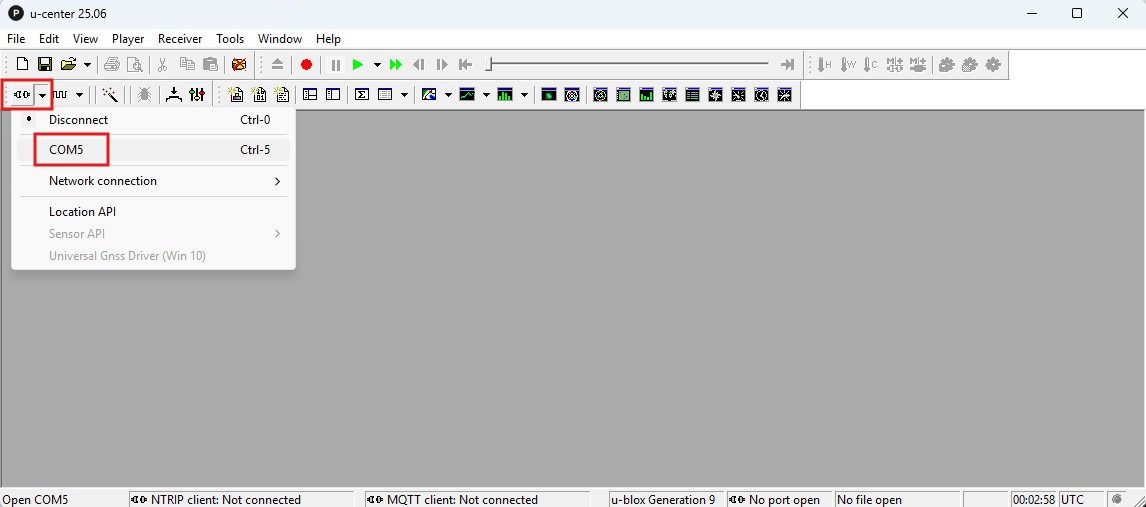
  2. Open u-center (for F9, not u-center2). Select the COM port to connect your receiver. If you don’t know which COM port your receiver is connected, check the Device Manager of your PC.
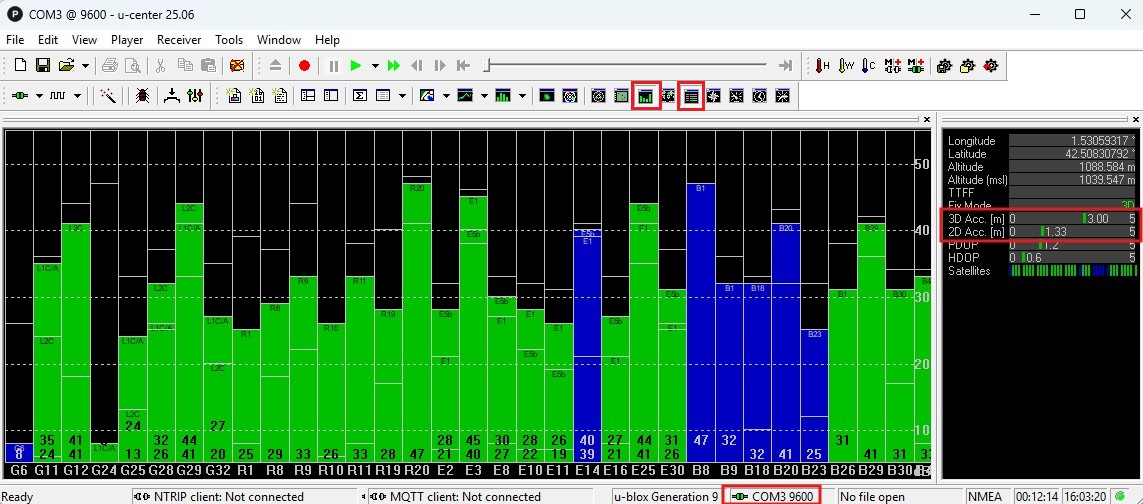
  1. In the views toolbar, you can choose the data you want to visualize. We recommend to enable GPS data and Satellite levels to check the coordinates and signal strength.
Get RTK corrections

In order to achieve centimeter/millimeter level accuracy with our GNSS receivers, you need to have RTK corrections. The easiest way to get RTK corrections is to use an RTK correction service available in your country. We have prepared a list of RTK correction services in your country to help you get started.
Before you start:

  • You registered to the RTK correction service and received credentials (server address, port, user and password) to connect to it.
  • Your PC has internet connection in order to connect to NTRIP service.
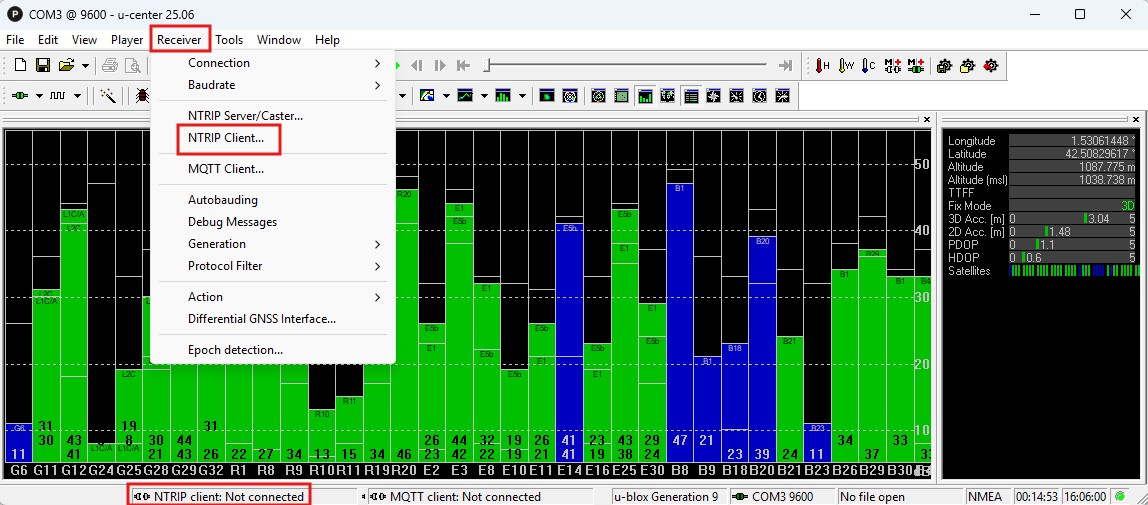
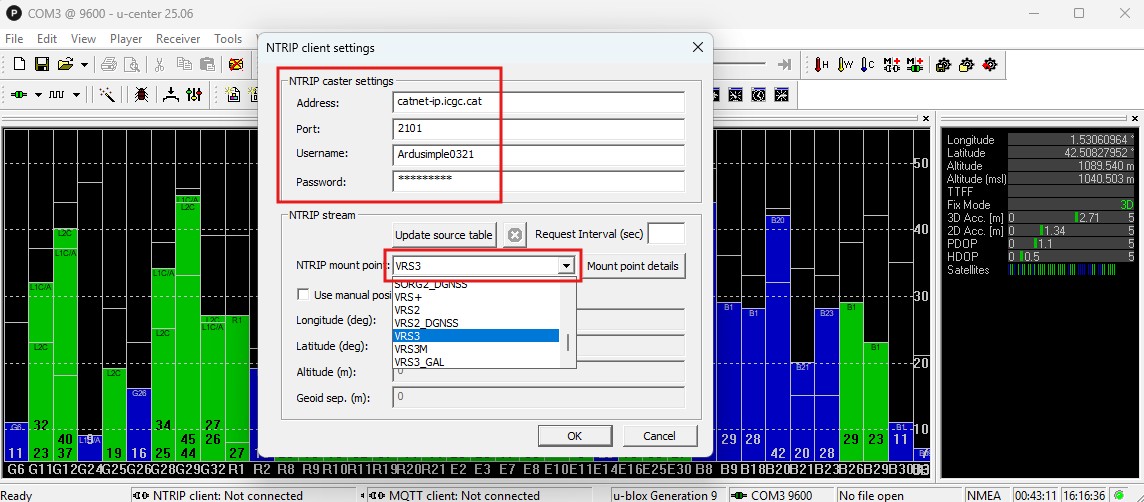
  1. At menu bar go to Receiver–>NTRIP Client… and  set up the Address, Port, Username, Password and Mount point of your NTRIP. Click OK.
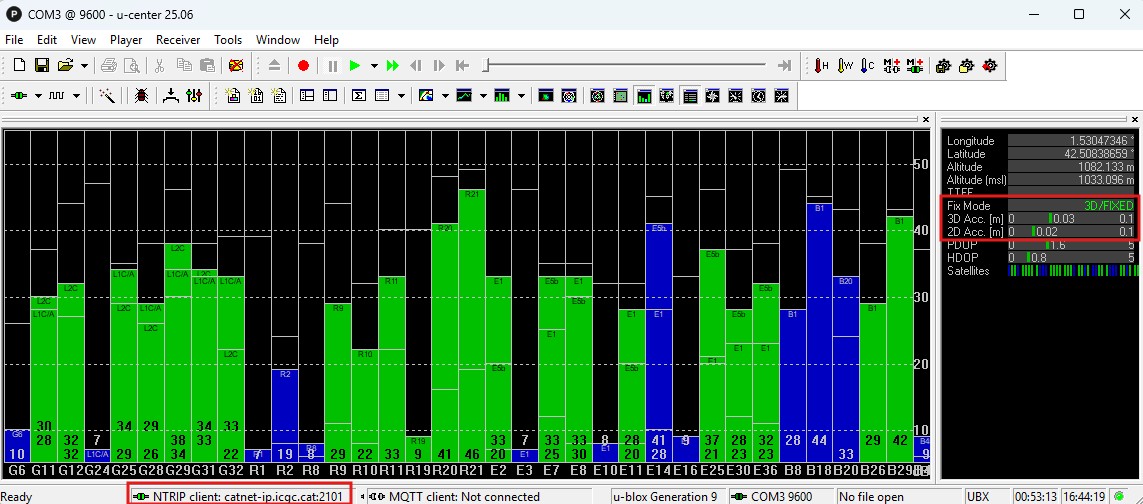
  1. In a few minutes, you will see the Fix Mode change to FIXED or FLOAT. With valid FIXED you should see the 3D Acc.(accuracy) and 2D Acc.(accuracy) is centimeter-level.

on Linux PC

Linux documentation in progress, please contact us if you need help.

Reset to factory settings

The RTK receiver is pre-configured to send NMEA data simultaneously via Bluetooth and USB. If you change any settings and the product stops working, you can revert to factory setting by following these steps:

  1. Connect the receiver to your computer or PC via USB.
  2. Run u-blox u-center (you can download it here) and connect to the proper COM port.
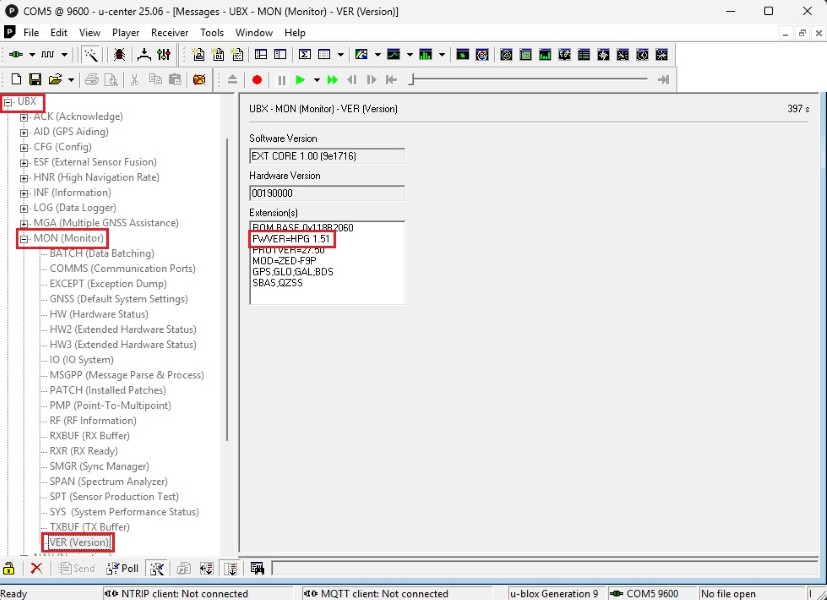
  3. Go to View –>Message View and navigate to UBX–>MON–>VER.
  4. You can read the firmware version in the window:
  1. Download configuration file simpleRTK2B_FW132_Bluetooth_BT_BLE_Bridge.
  2.  In u-center Open Tools -> Receiver Configuration, pick your file that you download on the previous step and click Transfer File -> GNSS button.
  3. Once the configuration is done, go to Receiver->Action->Save Config to save the configuration on the RTK receiver.

Related tutorials

Accessories and spare parts

Here you can find affordable accessories for your kit.

Got any questions or requests?
Contact us! We'll answer <24 hours!

Icon
Contact ArduSimple
Close
ArduSimple – high precision RTK survey equipment and solutions made simple

Want to learn more about GPS and RTK?

If you are busy right now, our engineers can send you 3 short e-mails, explaining all you need to know to start your project.