High-precision GNSS integration for Raymarine autopilot via NMEA 2000
Table of contents
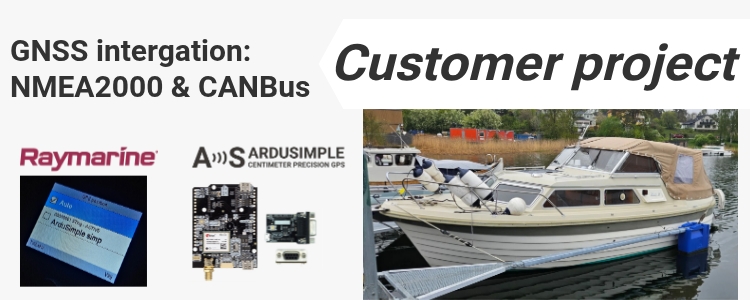
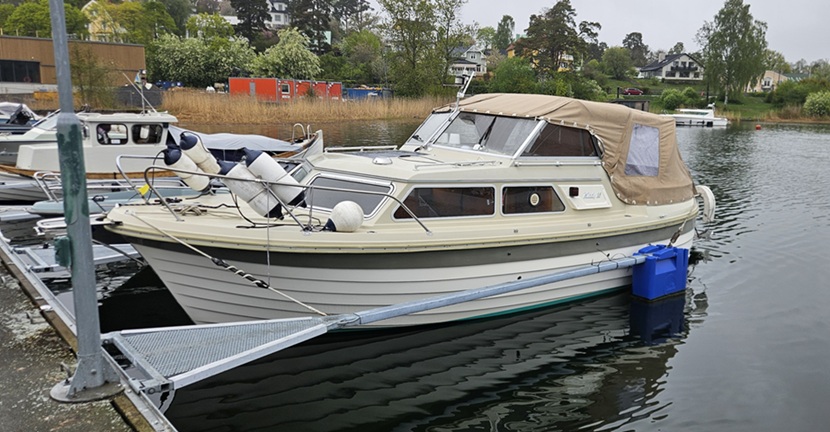
A sailing yacht equipped with a Raymarine EV-100 autopilot has been successfully upgraded with a high-precision GNSS system based on an ArduSimple receiver and CAN bus (NMEA 2000) interface.
The system is currently installed and operating on board. It provides GNSS positioning data directly to the vessel’s NMEA 2000 network, where it is used by the autopilot, navigation computer, and onboard Signal K server.
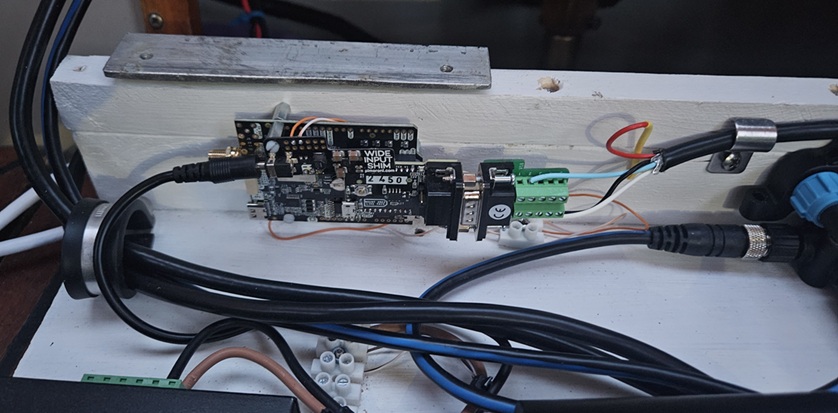
At the time of writing, final mechanical installation (cabling and enclosure finishing) is still being completed, but the system is fully functional and already used in real marine conditions.
Goal: adding a high-precision GNSS source to the boat's navigation system
The boat already had a full navigation system in place. It used a Raymarine EV-100 autopilot with hydraulic steering to control the course and an AIS transponder to track nearby vessels and be visible to others.
The main requirements for the upgrade were:
GNSS accuracy of position below 2 meters
10 Hz update rate for smooth navigation response
Direct compatibility with NMEA 2000 marine networks
Improved redundancy across independent GNSS sources
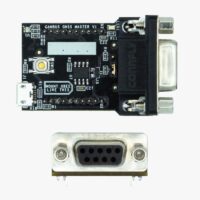
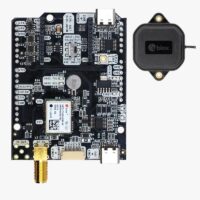
Marine GNSS integration using GNSS board and CANBus plugin
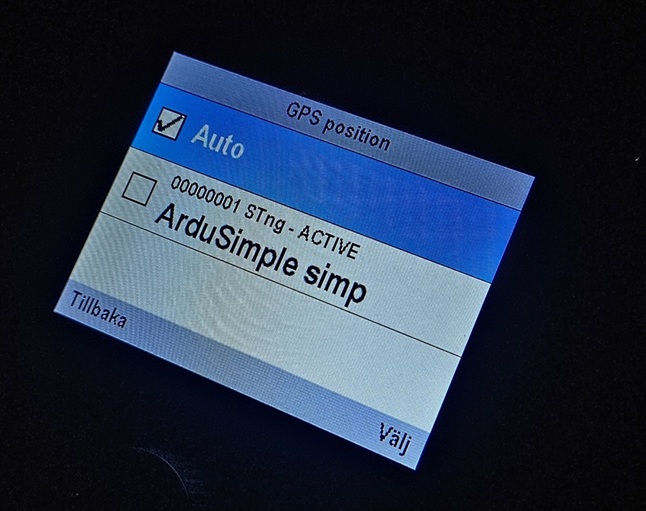
Final integration and testing confirmed that the GNSS system was correctly accepted by the Raymarine EV-100 autopilot over the NMEA 2000 network and includes:
The GNSS board is connected directly to the boat’s NMEA 2000 network using a CANbus plugin. This means the position data from the GNSS receiver is sent straight onto the marine network, where it is immediately available to the autopilot and other navigation systems. This direct connection improves reliability, since the system does not depend on additional devices or software running in the background.
The setup followed the User Guide: CANBus GNSS Master, which was very helpful during installation and configuration. The guide clearly explains how to connect the module, set the correct CAN settings, configure NMEA 2000 output, and ensure the GNSS receiver is properly configured for data transmission. It also helped with practical details such as wiring, termination, message selection, and firmware setup, which made the integration straightforward and reduced uncertainty during commissioning.
Raymarine autopilot successfully accepted the GNSS receiver as a valid and reliable navigation source on the NMEA 2000 network.
Results: improved autopilot performance and navigation reliability of the boat
After the upgrade, the boat’s autopilot now receives position data directly from a dedicated high-precision GNSS receiver over the NMEA 2000 network. In practice, this means the autopilot reacts more smoothly and consistently, especially at low speed and when holding a steady course. The skipper gets more stable autopilot behavior, more consistent positioning, and a simpler, more reliable navigation setup that is easier to trust while sailing.
 Made in EuropeRTK starter kits


 and
and  How to get a quotation